Tea Length Dresses Demystified: A Designer’s Criteria for When They Work
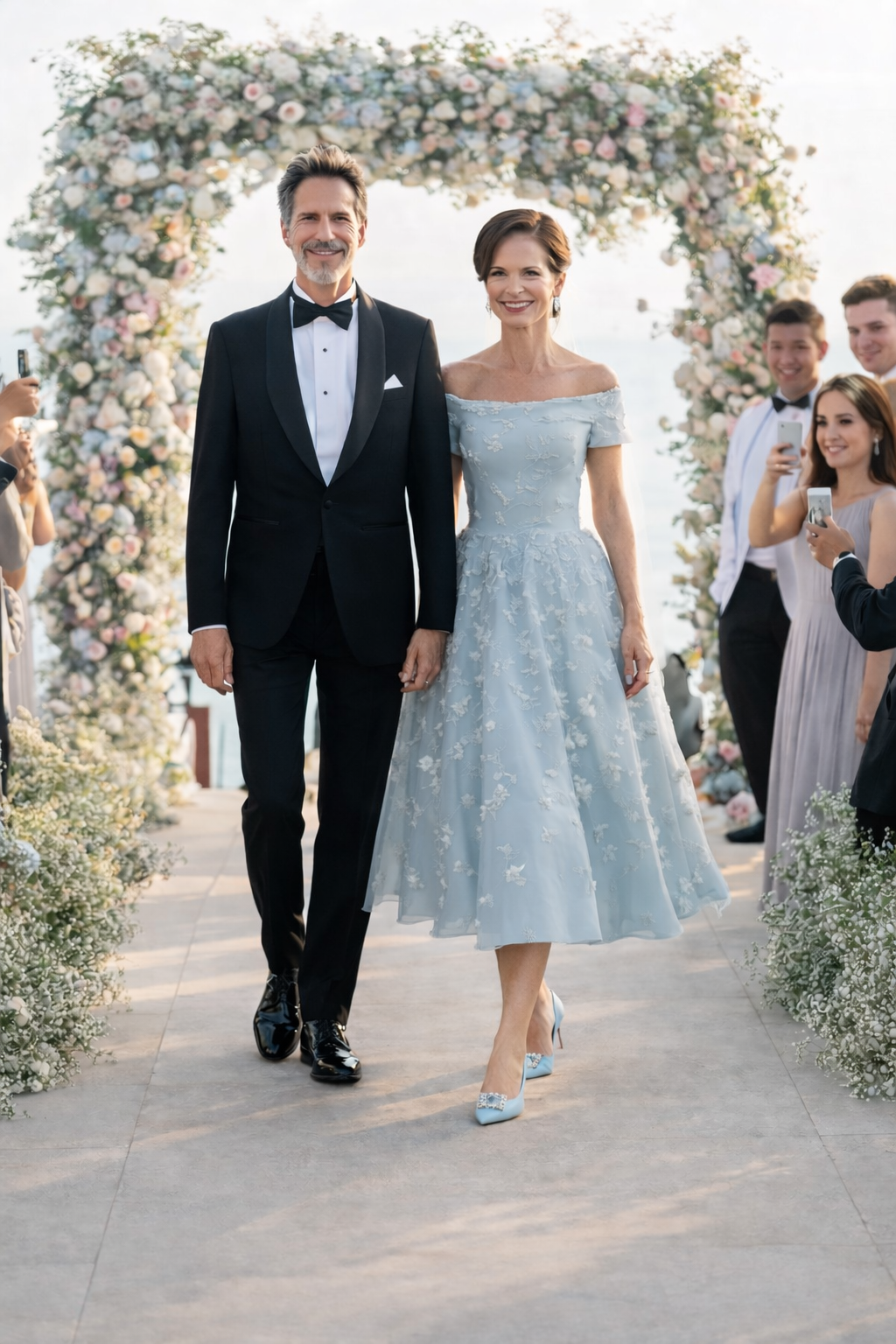
Tea length is unforgiving.
When it’s right, the proportions feel effortless and inevitable.
When it’s wrong, it fights the body and betrays the wearer even if they can’t name why.
The difference is not taste.
It’s cut and fit.
As designers, we don’t decide on tea length based on trend or preference. We decide based on proportion, posture, formality, and context. Most women encounter tea length through ready-to-wear racks, where these distinctions are rarely explained. That’s why tea length so often disappoints.
Here is how we actually decide when tea length works.
1. Tea length only works when proportion is precise
Tea length exposes the narrowest and most unforgiving part of the leg. Unlike floor length gowns, there is nowhere to hide imbalance.
For tea length to work:
The waist must sit exactly where the body needs it
The hem must land at the most flattering visual point of the leg
The skirt volume must be calibrated, not guessed
Even a half inch too high or too low distorts the silhouette.
That’s why off-the-rack tea length almost always fails because proportion there is guesswork, not design.
Fit is the issue here.
2. It favors posture more than body type
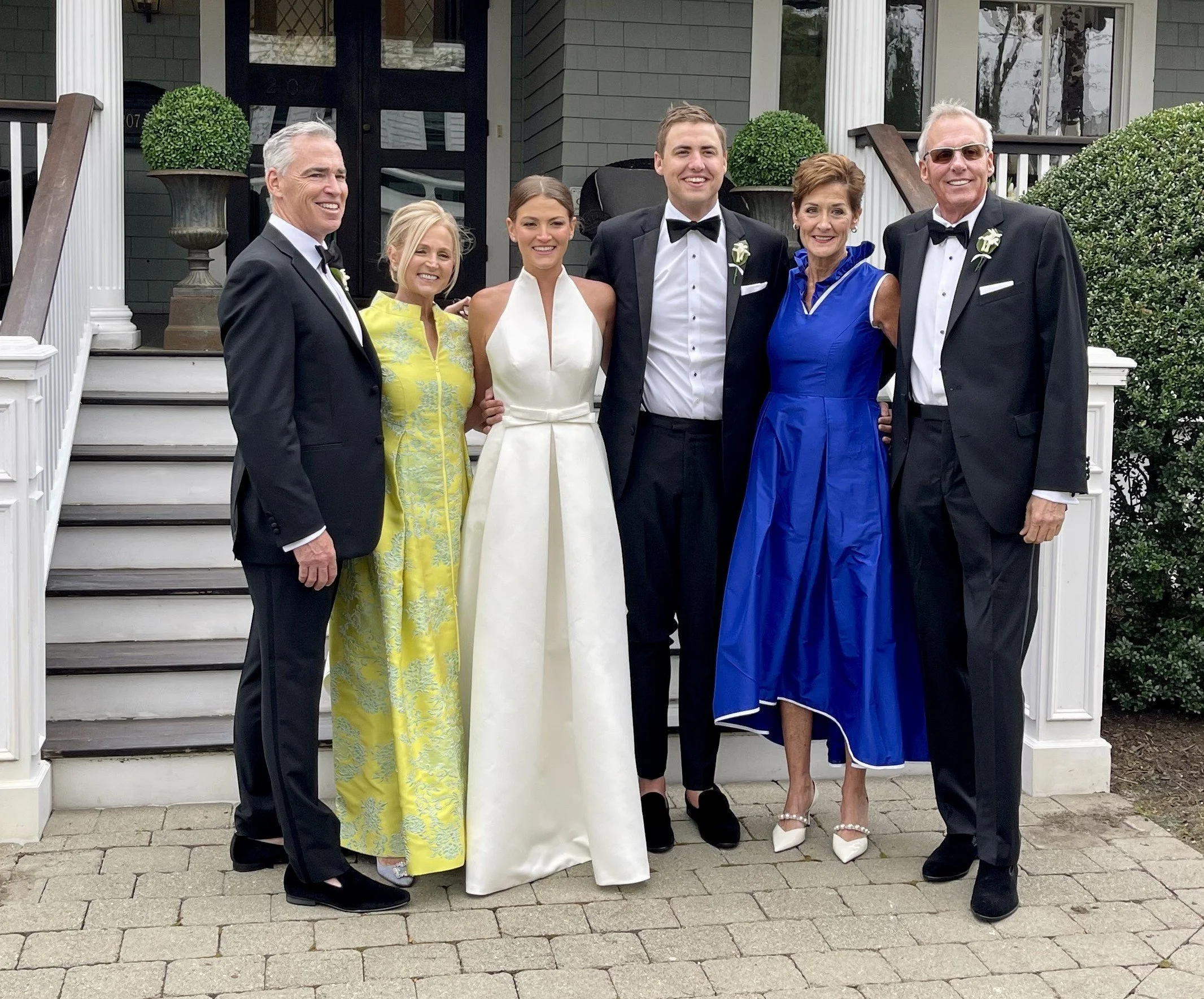
Contrary to popular belief, tea length is not about being slim or petite. It’s about posture.
Tea length highlights:
How you stand
How you carry your shoulders
How naturally you move
Women who hold themselves upright tend to wear tea length beautifully. Women who rely on structure or concealment often find tea length exposes more than they expect.
This is not a flaw. It’s a design reality.
3. Event formality determines whether tea length is appropriate
Tea length is formal, but it is not maximal.
It works best for:
Daytime weddings
Garden or coastal settings
Venues with natural light and movement
It is far less successful at:
Black-tie evening weddings
Grand ballrooms
Highly ceremonial affairs
The mistake many mothers make is choosing tea length to feel “less formal,” without realizing that underdressing is far more noticeable than overdressing in a wedding hierarchy.
Formality matters. Tea length must match the tone of the room.
4. Footwear is not an accessory…it’s structural
With tea length, shoes are no longer secondary. They are part of the architecture of the look.
The wrong shoe can:
Shorten the leg line
Compete with the hem
Break the elegance entirely
Designers consider heel height, vamp shape, and visual weight before approving tea length. If the shoe is an afterthought, tea length usually fails.
5. Tea length demands better construction, not less
Many women assume tea length is simpler than floor length. In reality, the opposite is true.
Because the hem is visible:
Fabric quality matters more
Seams matter more
Balance matters more
Finish matters more
There is less forgiveness. Which is why tea length often succeeds in bespoke and struggles in mass production.
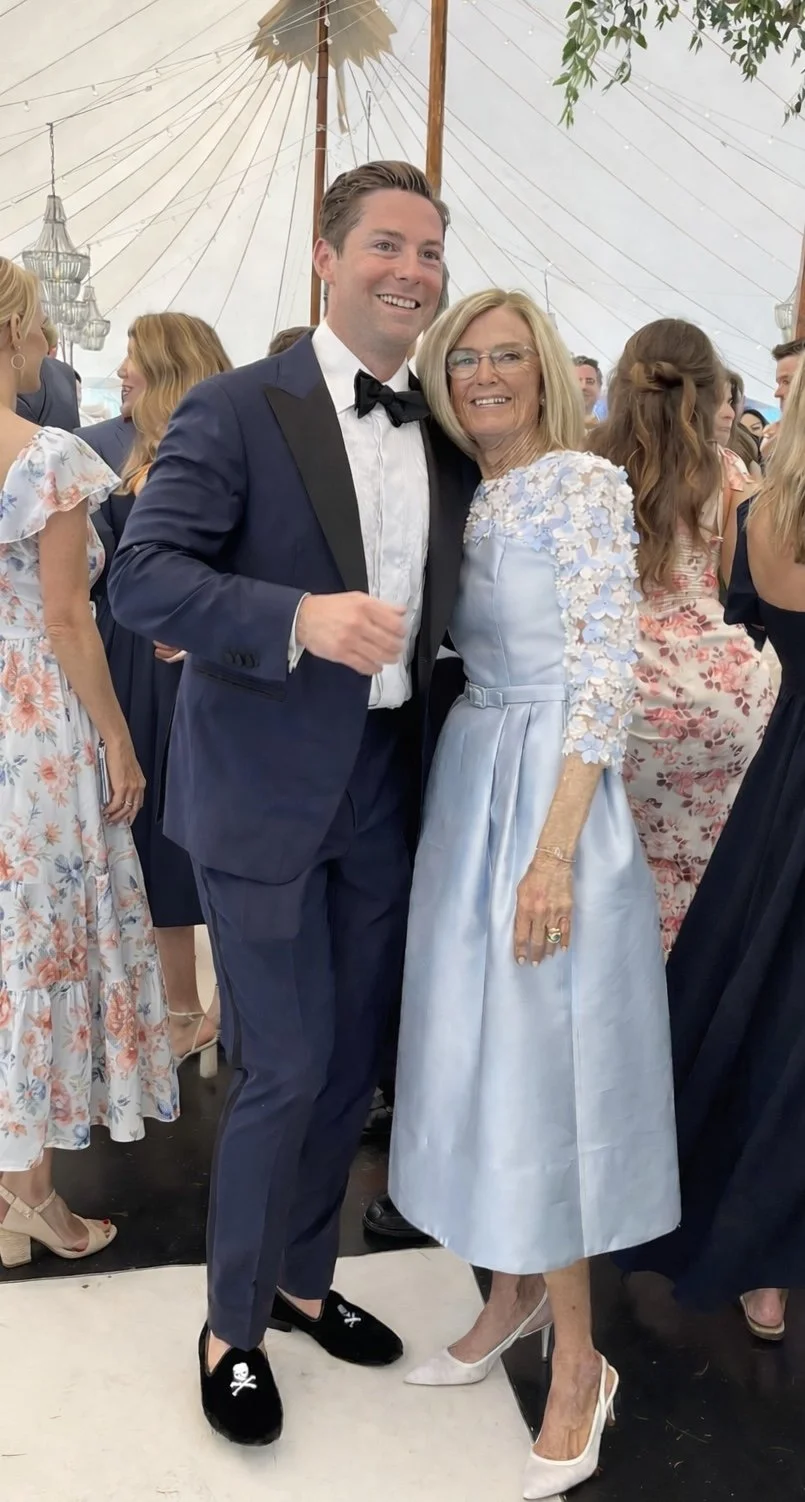
When tea length truly works
When the hem line hits the leg at the right spot it works. For some high low is the only way to wear tea length.
A final thought
Tea length should never be chosen to play it safe.
It should be chosen because it is right.
If you’re considering tea length for a wedding, the decision should come after understanding how it will be shaped for your body, your posture, the setting and not before.
That’s how designers approach it.
And that’s when it works.