The Anatomy of a Bespoke Mother of the Bride Dress
A Creative Collaboration with Ceci Mason
When an artist commissions a Bespoke Gown for her daughter’s wedding, the process becomes deeply personal.
This was not a shopping endeavor.
It was two artists in collaboration.
A Mother of the Bride gown carries unusual weight. It must hold presence without distraction. It must photograph beautifully. It must honor the bride without disappearing. Above all, it must align with the visual language of the celebration.
Here is how that happens.
I. The Design Brief
Every Bespoke Dress begins with conversation.
Silhouette
Proportion
Venue
Time of day
Lighting
The bride’s palette
In this case, the client was an artist who painted florals to adorn every detail of the wedding from invitations to table linens. She arrived with a defined aesthetic vocabulary. That clarity allowed us to translate her vision into structure.
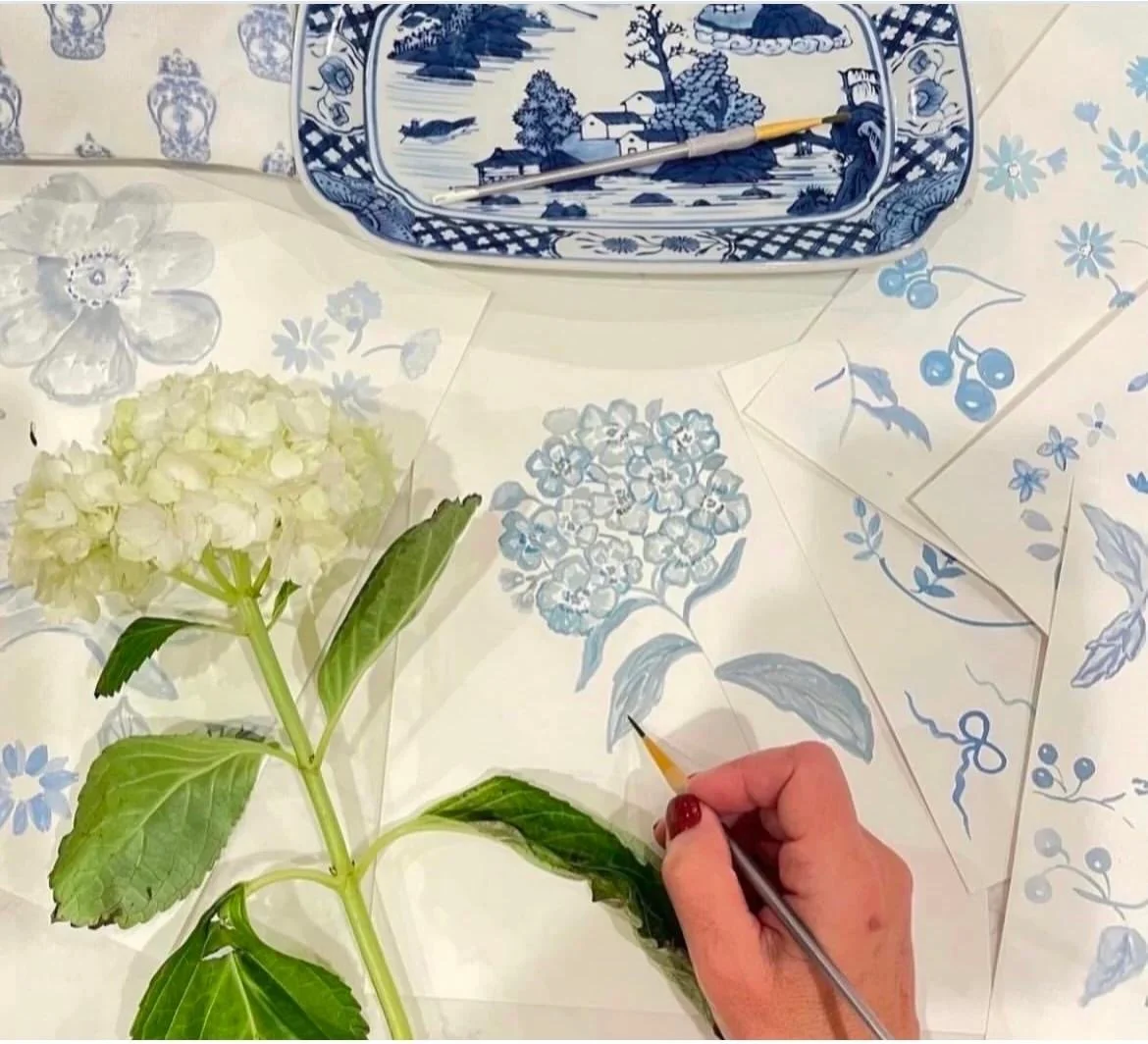
She created a watercolor painting of the wedding bouquet for her daughter. We extracted cues from that work from line direction to floral positioning and rebuilt them into a gown that honored both her proportions and the ceremony setting.
We extended the motif into her husband’s cummerbund and bow tie, creating visual continuity across the family.
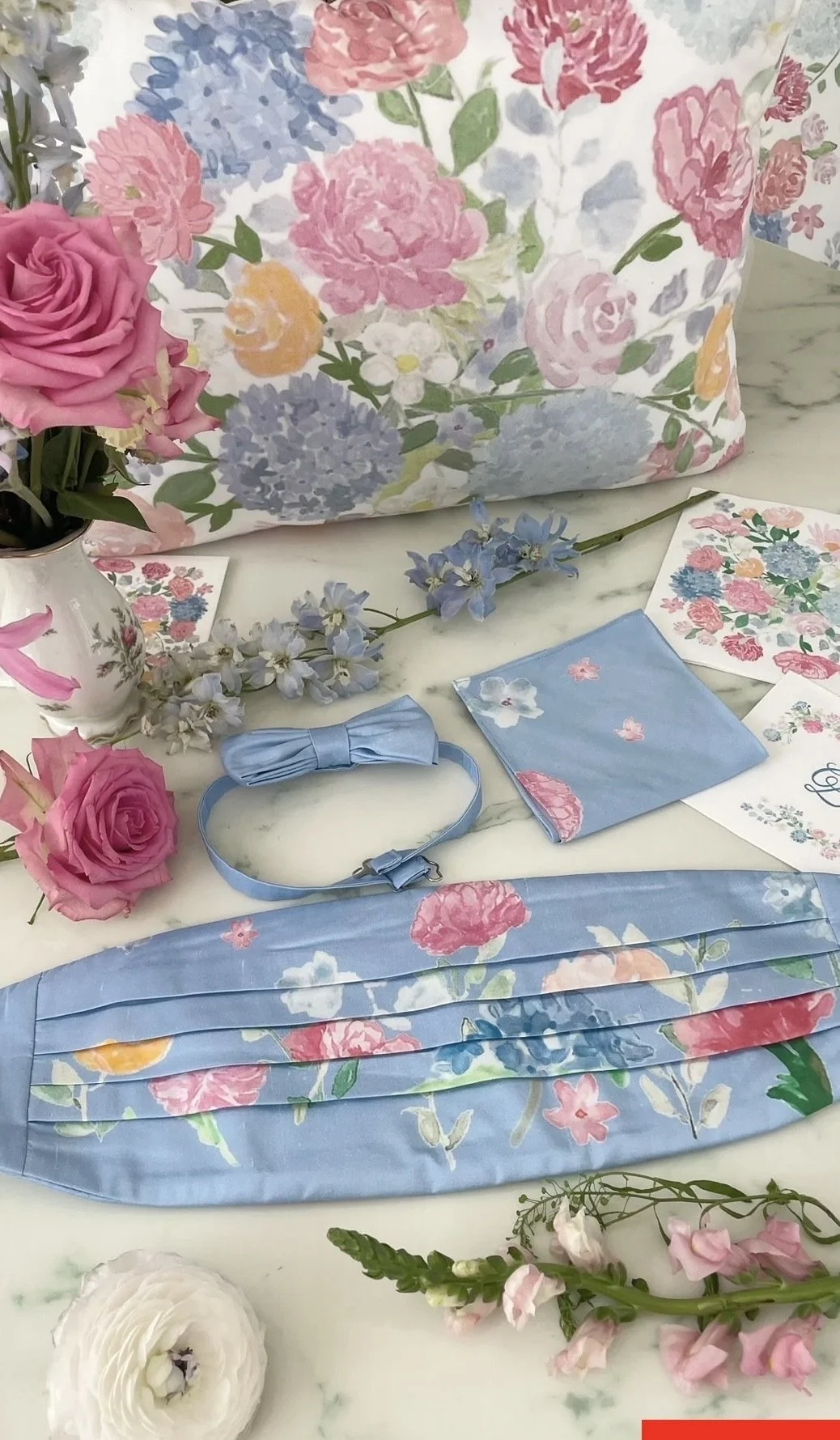
This is the distinction between custom and couture-level bespoke.
II. The Sketch Phase
Once the brief is calibrated, we move to form.
The sketch is not decoration. It is a structural hypothesis.
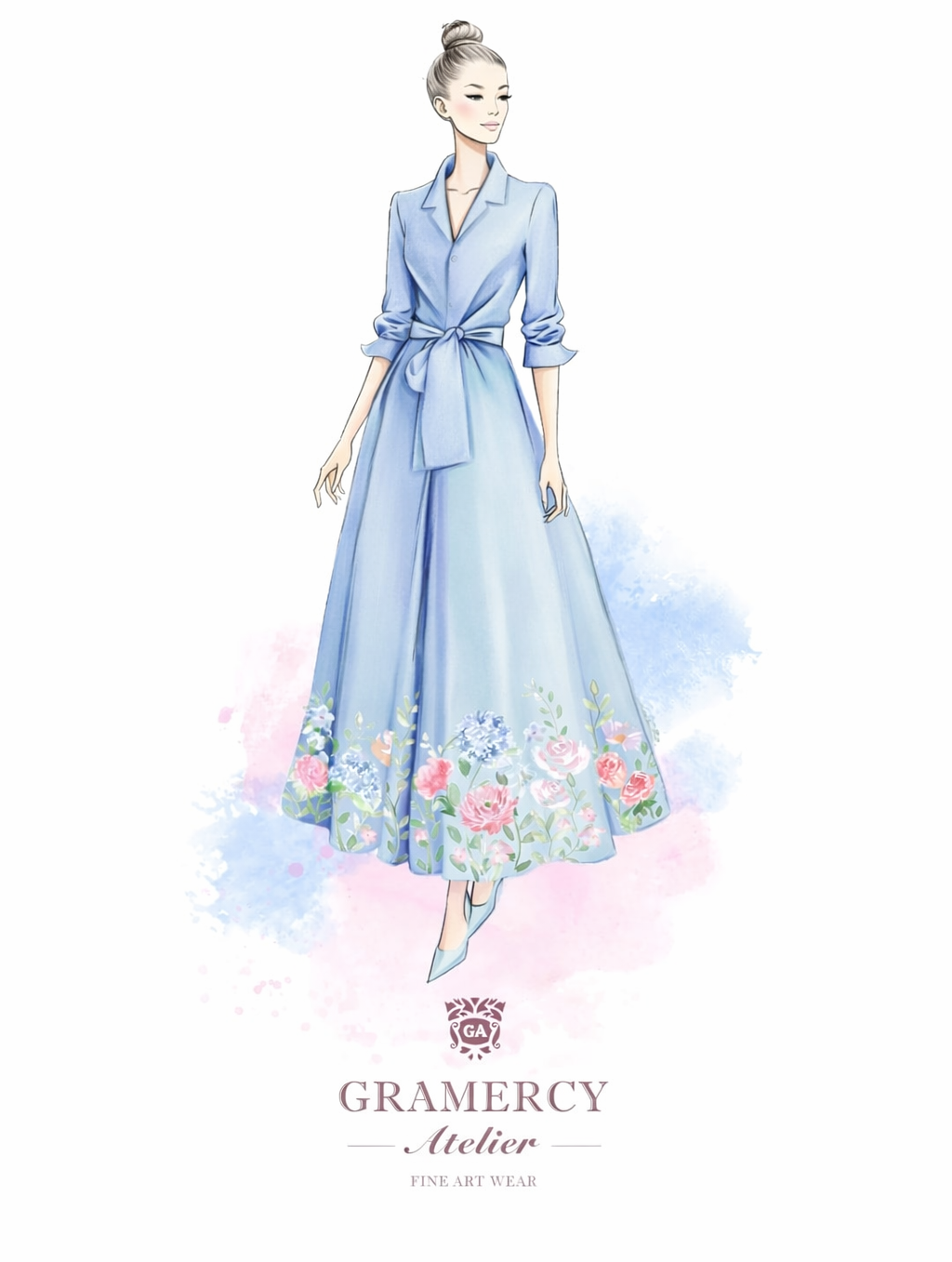
Neckline depth is measured against shoulder width.
Volume is tested visually before fabric is ever cut.
A precise sketch collapses uncertainty. It allows the client to see what will exist before textile is ordered.
III. The Prototype
This is the stage most women never see.
And it is the stage that defines the gown.
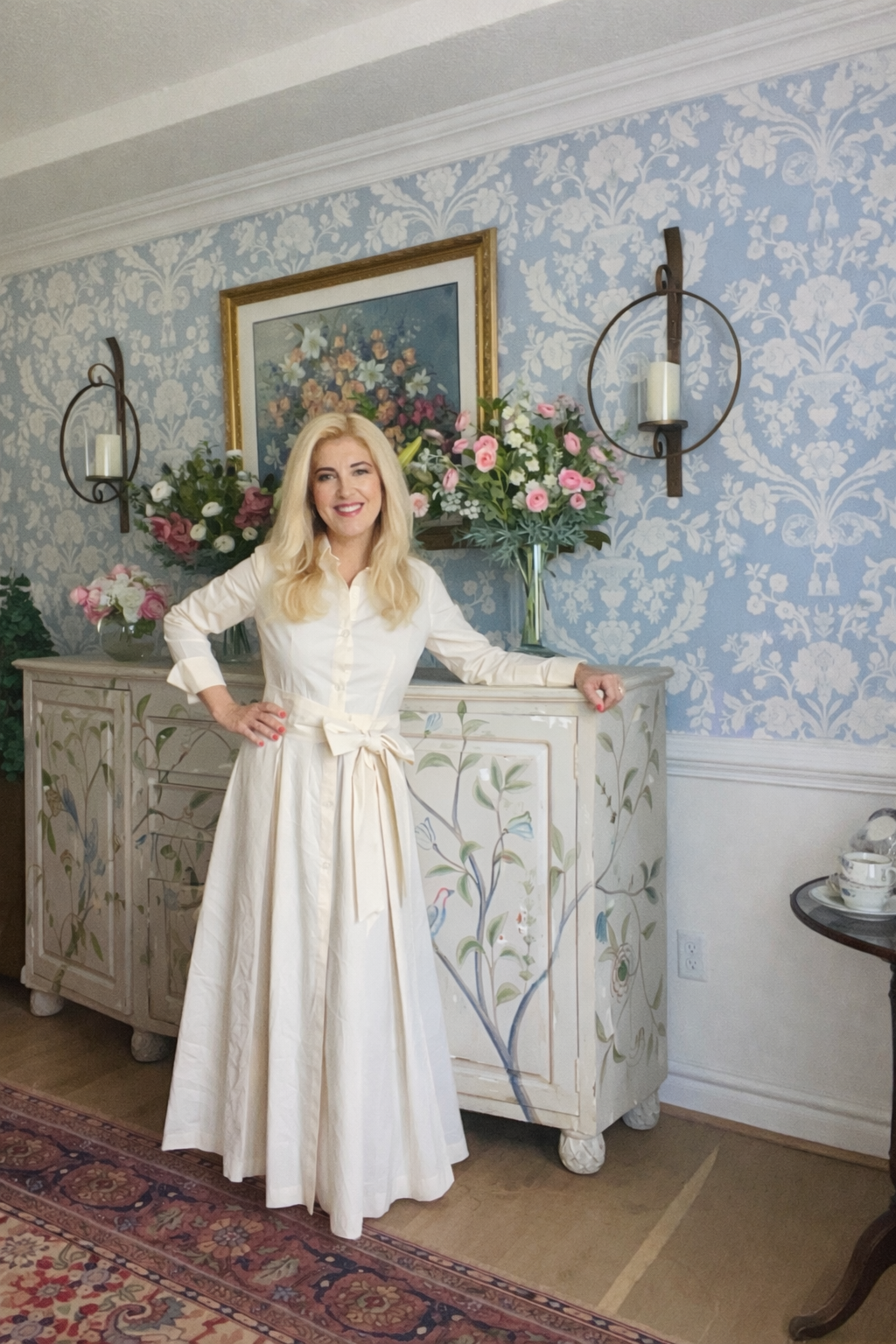
We construct a full prototype in muslin to test proportion, balance, and movement. Seams are adjusted. Structure is refined. Hem is calibrated to the client’s natural stride.
Certainty replaces speculation here.
By the time fine fabric is cut, the gown has already been resolved in form.
IV. Fabric and Embellishment
Only after structure is confirmed do we finalize textile.
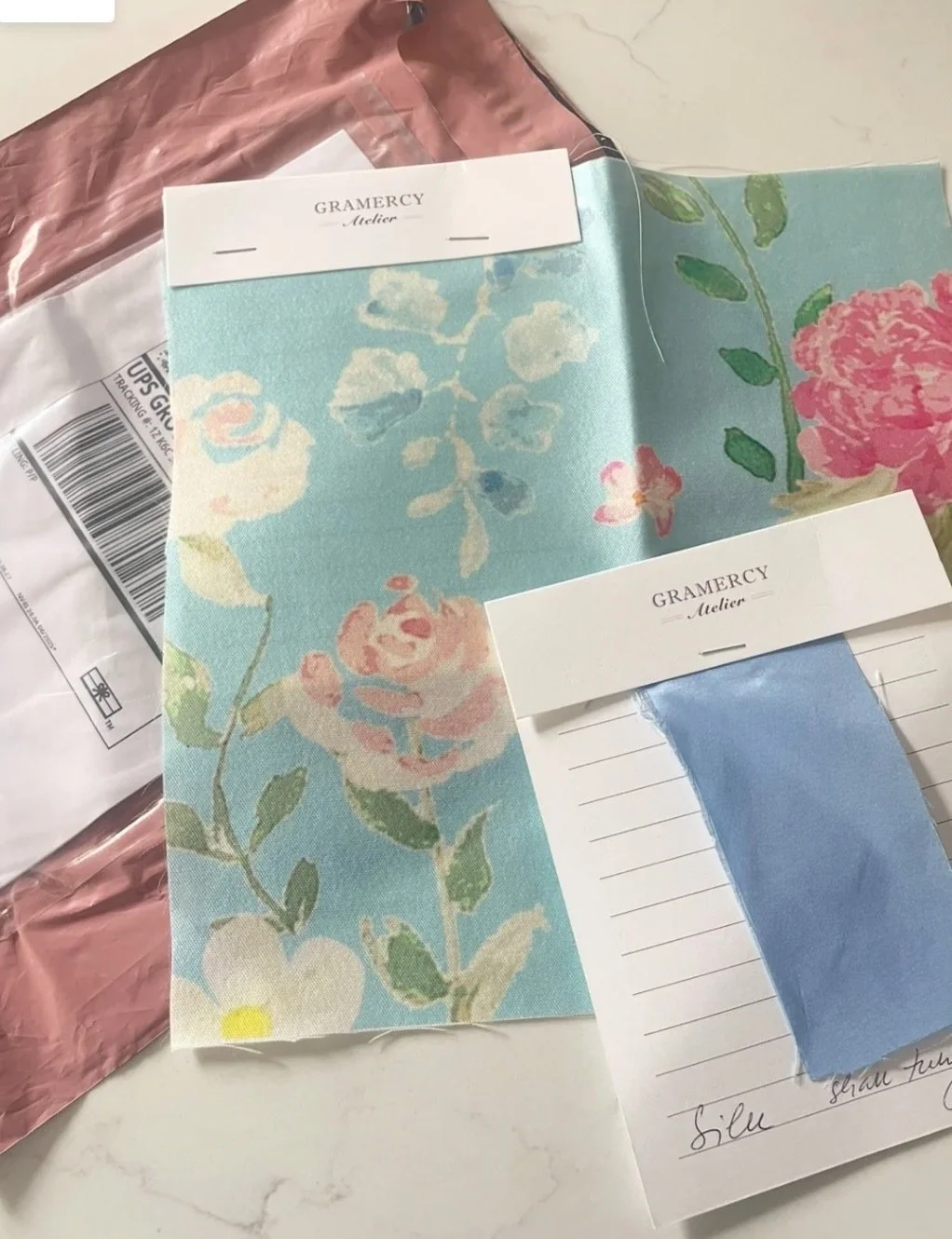
Color is tested in natural light and evening light.
Surface detail is evaluated at twenty feet, not just six inches.
Movement is considered in motion, not in stillness.
Fabric does not lead. Structure leads.
Textile completes what proportion began.
V. The Final Gown
On the day of the ceremony, the gown performed exactly as it was designed to.
It held presence without competition.
It photographed with clarity.
It moved with ease.
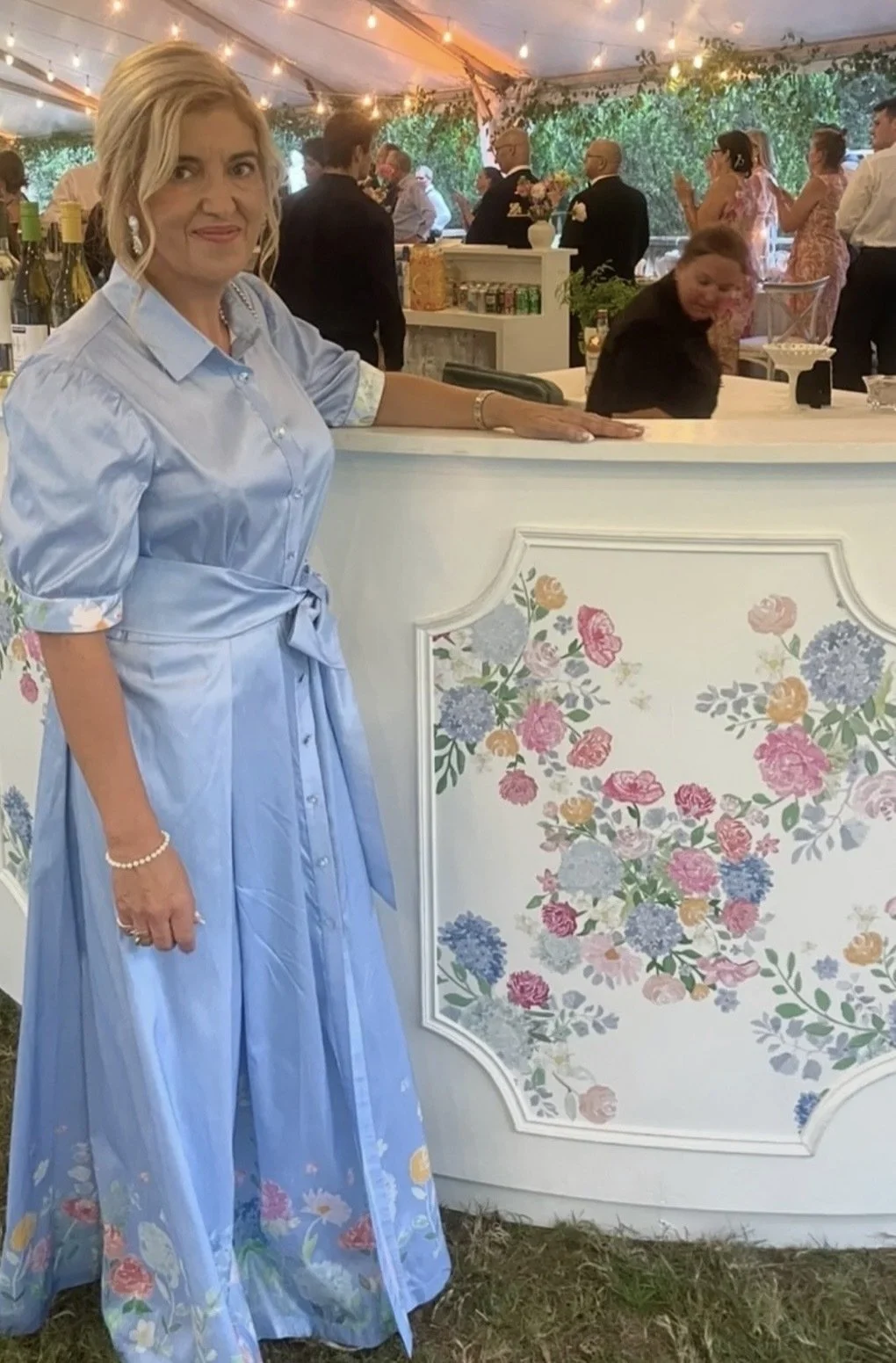
A Bespoke Mother of the Bride Dress is not about theatrics. It is about calibration.
This collaboration was a thoughtful one, and we were honored to build it.
For the client’s personal reflections on the experience, you can read her perspective here:
Ceci Mason’s Perspective