Mother of the Bride Dress with Sleeves: The One Detail That Changes Everything
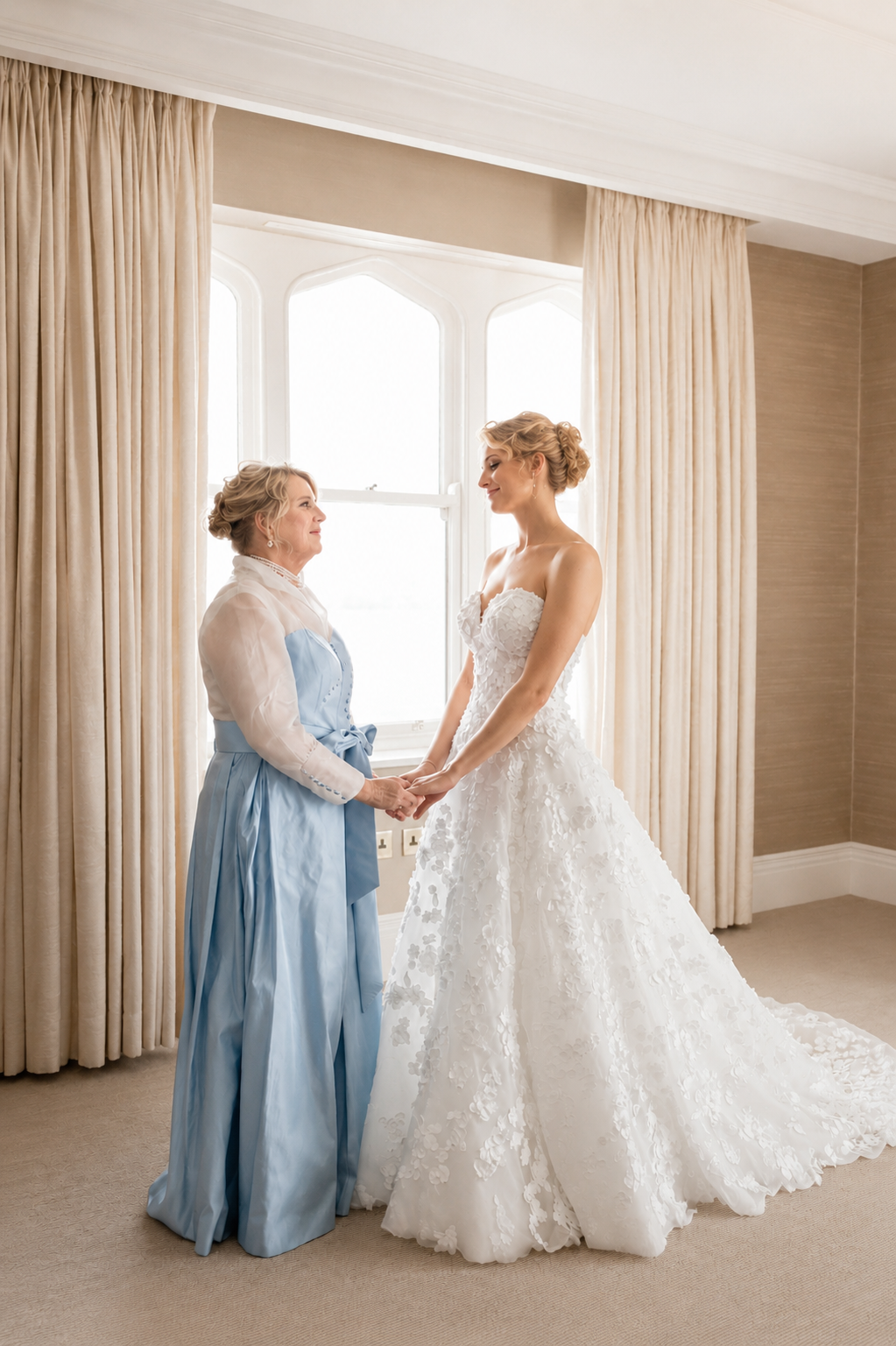
The sleeve question comes up in nearly every mother-of-bride consultation, and it arrives with more weight than it should have to carry. You want coverage — real coverage, not the suggestion of it. You want to look composed in photographs taken from every angle, in every kind of light, across an entire day. And you want a gown that resolves this cleanly, without compromise. The sleeve is not a small decision. For a mother of the bride dress with sleeves, it is, in fact, the decision that determines how the gown reads and how you feel wearing it.
Why This Is the Pain Point It Is
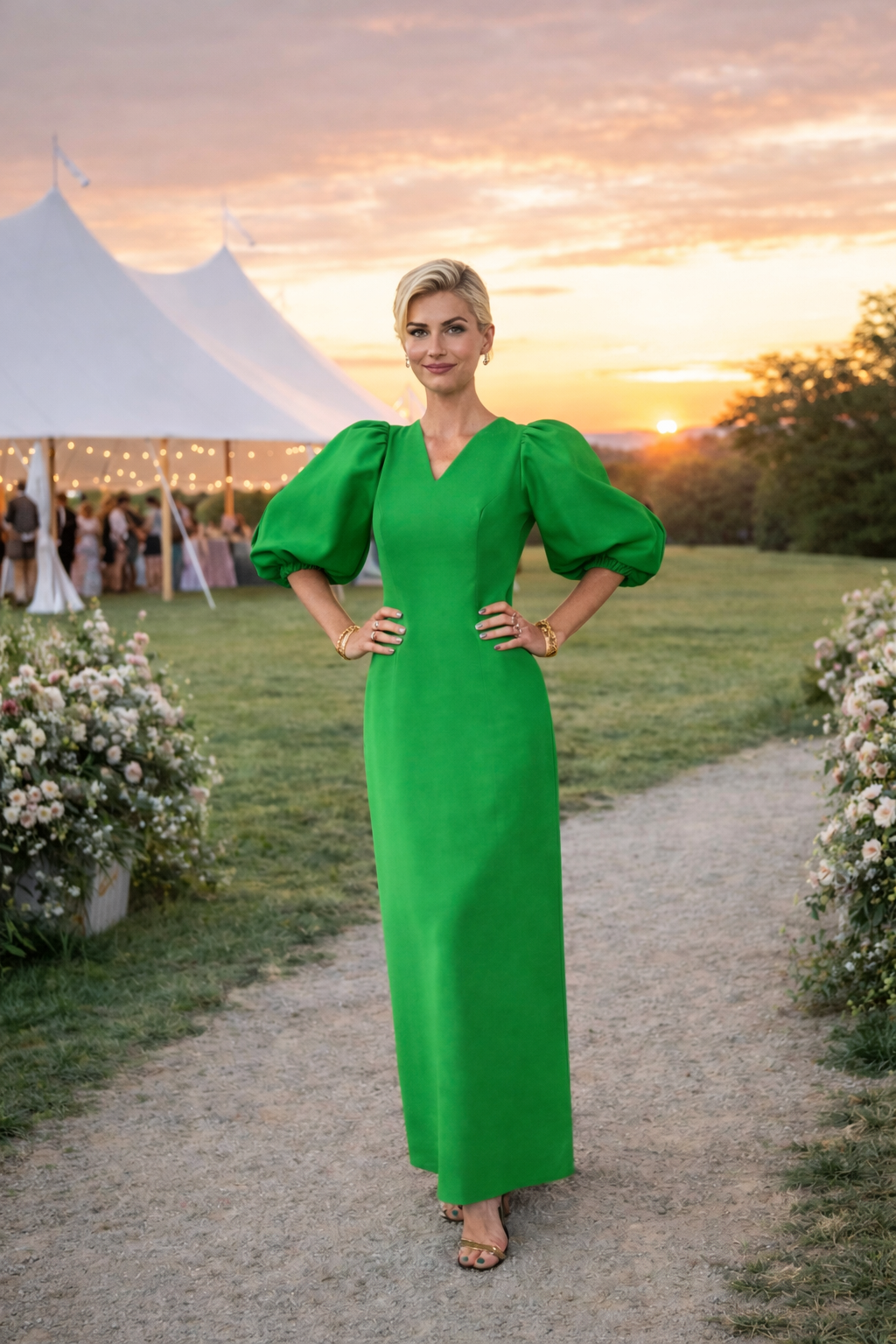
For women in their forties, fifties, and sixties, arm coverage is one of the most consistently cited concerns when dressing for a wedding. The problem is not vanity — it is practicality. A wedding is photographed from every angle, under mixed lighting, across six to ten hours. The gown that looks acceptable in a dressing room mirror at 10 a.m. will be recorded in hundreds of images by the end of the evening. What the sleeve does — or fails to do — appears in all of them.
The secondary problem is that most ready-to-wear solutions to this concern address it imprecisely. Cap sleeves cover the shoulder but leave the arm exposed. Flutter sleeves create movement without structure. And the most common off-the-rack solution — the sheer overlay — offers the appearance of coverage while delivering very little of it in practice.
The Sleeve That Actually Works
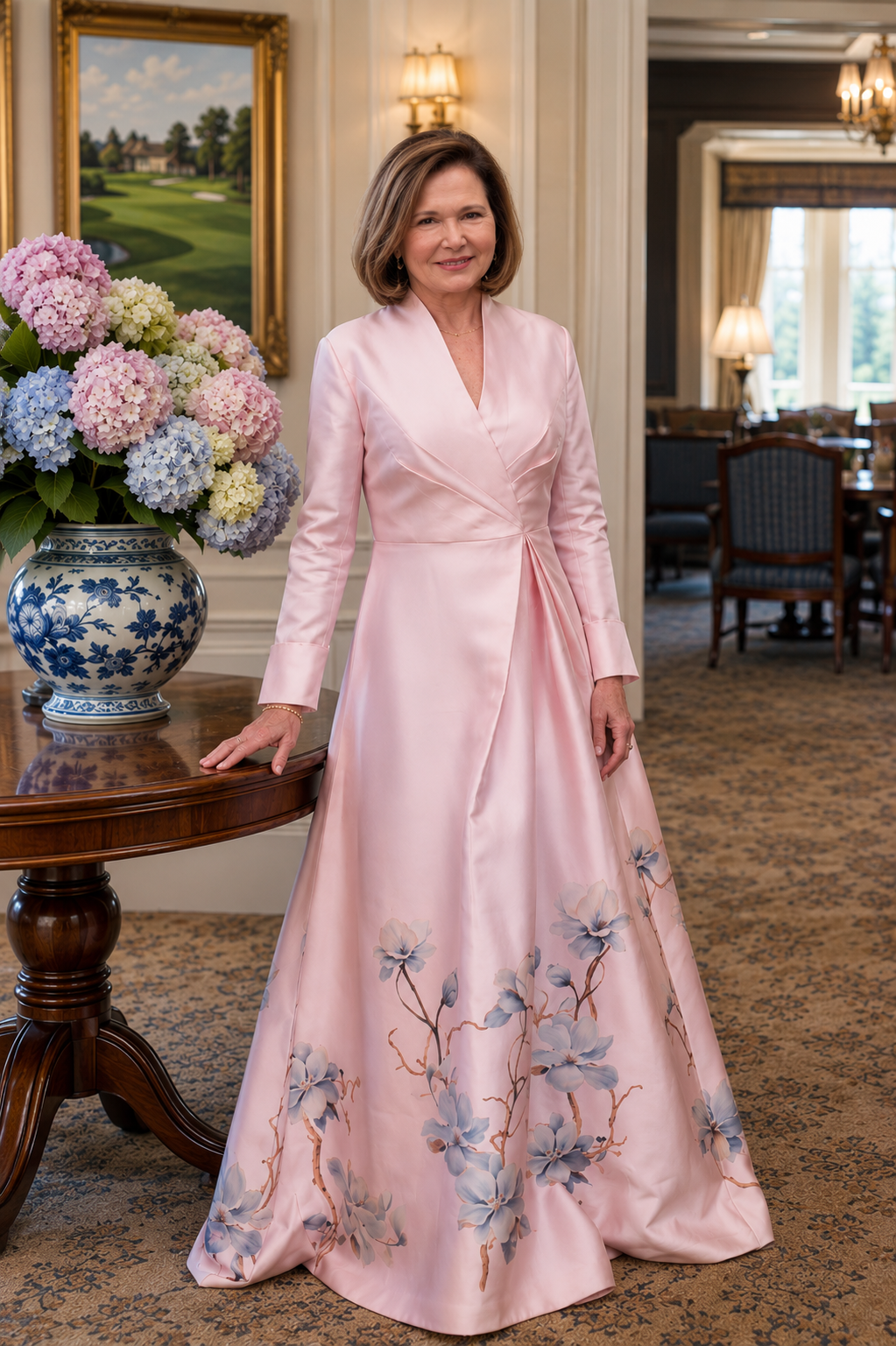
The tailored long sleeve in the gown's primary fabric is the most resolved solution available. It provides complete coverage from shoulder to wrist, reads as intentional in photographs, and — when cut correctly — adds elegance rather than weight to the silhouette. A well-constructed long sleeve lies flat, moves with the arm naturally, and does not require adjustment throughout the event.
The structured three-quarter sleeve is the strong second choice. It covers the area most women are focused on — the upper arm and elbow — while allowing the wrist to show, which creates a lighter visual finish. In silk crepe or mikado, a three-quarter sleeve photographs cleanly and sits comfortably through a long day.
The details are not details — the details make the product. Sleeve length, seam placement, the fabric weight at the cuff — each of these determines whether the sleeve performs or merely exists on the gown. In a bespoke gown, these decisions are made for your specific arm, your specific occasion, and the look you are trying to achieve. The sleeve does not begin with what is available in a sample size.
Why Sheer Overlays Consistently Underperform
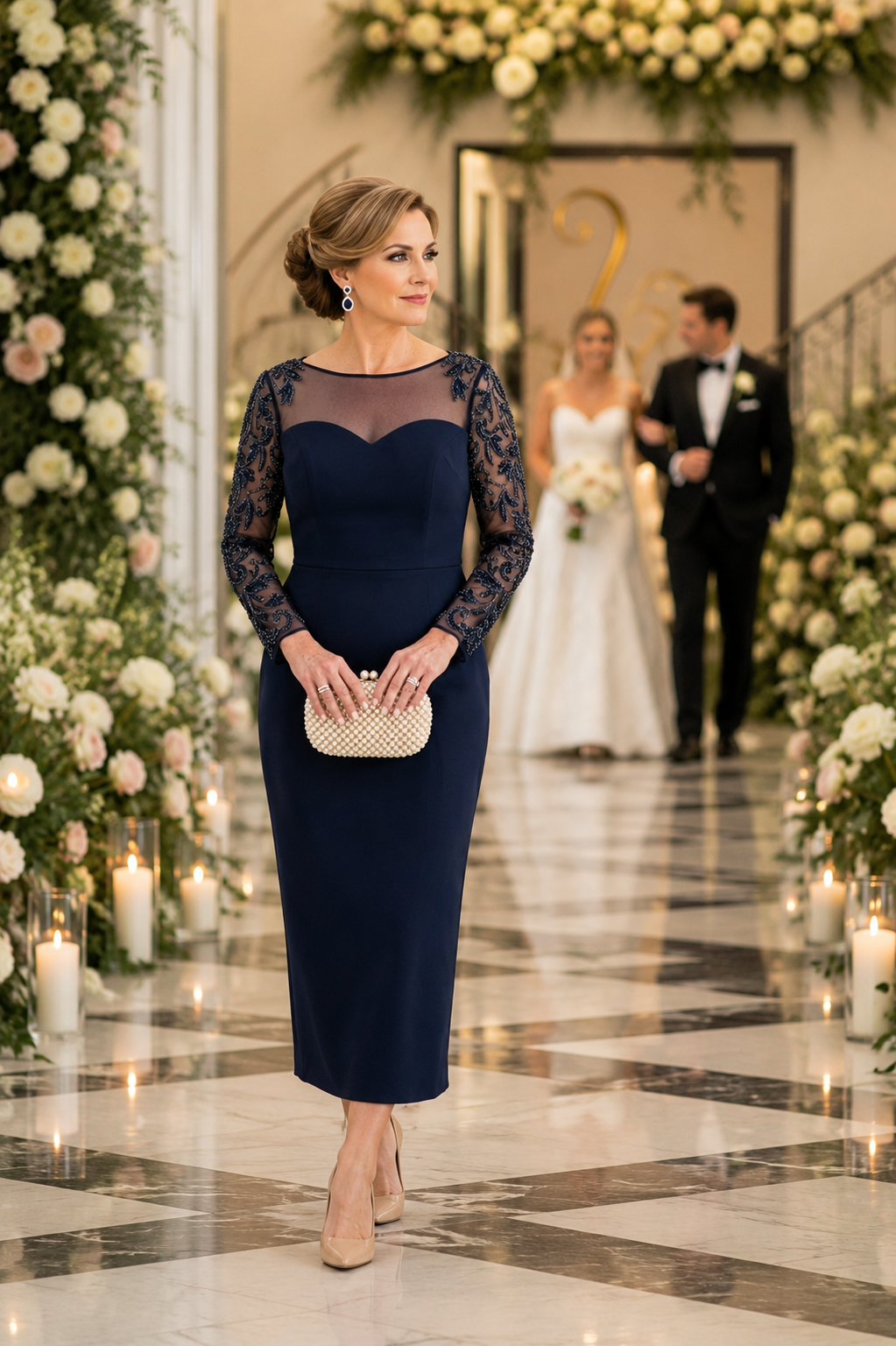
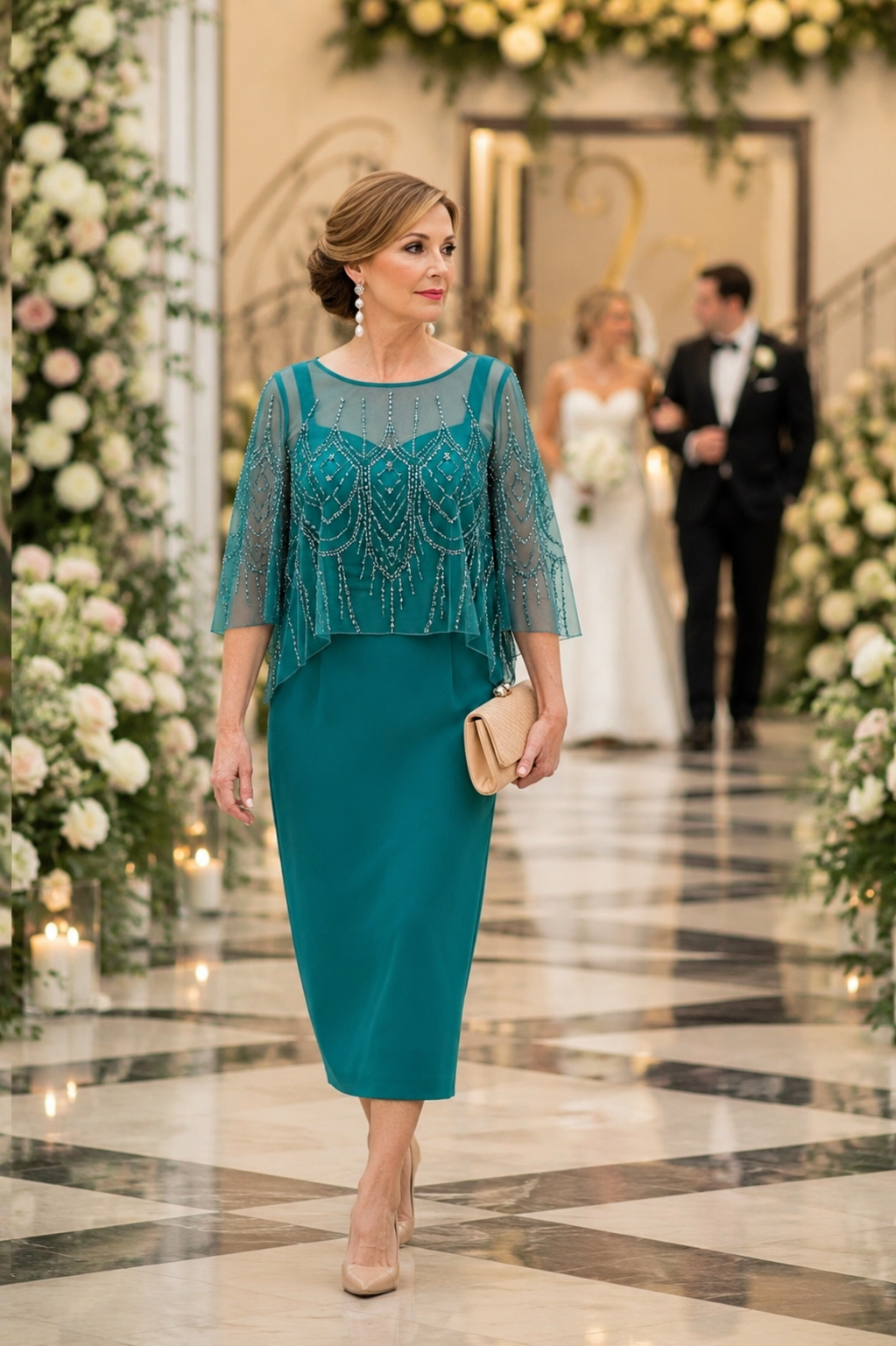
The sheer overlay is the most common answer to the sleeve question in off-the-rack mother-of-bride dresses, and it is also the most frequently regretted one. The appeal is understandable — illusion fabric appears to address coverage concerns while maintaining a lighter aesthetic. In practice, it does neither well.
Illusion mesh and chiffon overlays are translucent by design. They introduce a visual layer without delivering the opacity that constitutes actual coverage. Under formal event lighting — flash photography, outdoor daylight, candlelit reception rooms — they read as indistinct: not clearly sheer, not clearly covered. The effect in photographs is a softened blur at the arm where a defined sleeve would have given the eye something clean to land on.
There is also a structural limitation. Overlay sleeves are attached to the gown at the shoulder and sometimes the wrist, but they are not seamed along the arm. When you move — reach for something, embrace the couple, raise a glass — the overlay shifts independently of the body beneath it. By the reception, a sleeve that began the day looking intentional often looks unmoored. A tailored sleeve, sewn to match your arm, does not have this problem. The images above show the more common offerings but the sheerness and stretch do now solve the problem.
The Right Sleeve Begins with the Right Gown
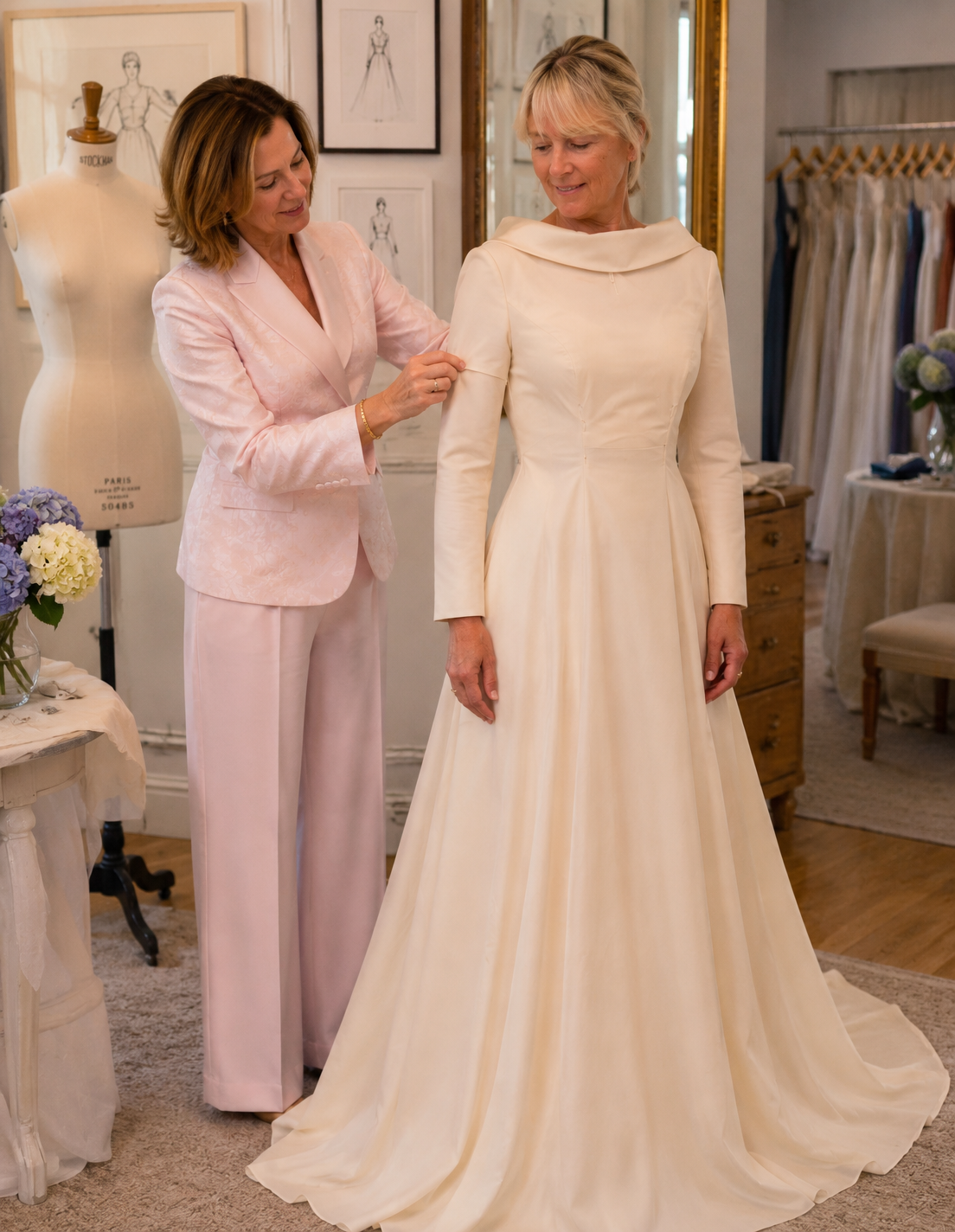
A bespoke mother of the bride dress with sleeves is not a gown with sleeves added to it. The sleeve is designed as part of the gown from the first consultation — its length, its fabric, its attachment point, the way it interacts with the neckline and the shoulder. Made for the occasion with you in mind, it performs as a single resolved garment rather than a series of decisions layered over each other.
Gramercy Atelier's Guided Outcome Couture process begins remotely, with a focused conversation about your wedding, your aesthetic, and what you need the gown to do. The sleeve question is answered at the design stage, not the alteration stage. Couture, Bespoke, Remote — if the sleeve matters to you, the place to start is a consultation.